An AC gas recharge is not a routine top-up. Air conditioners are sealed systems. If your gas is low, you likely have a leak. Many homeowners ignore the early warning signs. They simply think the unit is "getting old." In reality, a small hole in a copper pipe is venting chemicals into the air.
Catching the problem early saves you thousands. Here is what you need to know before summer arrives.
Common Refrigerant Leak Repair Symptoms to Watch For
Look for specific refrigerant leak repair symptoms. The most common signs include:
- Lukewarm air from the vents, even on the coldest setting
- Hissing or bubbling sounds near the outdoor unit
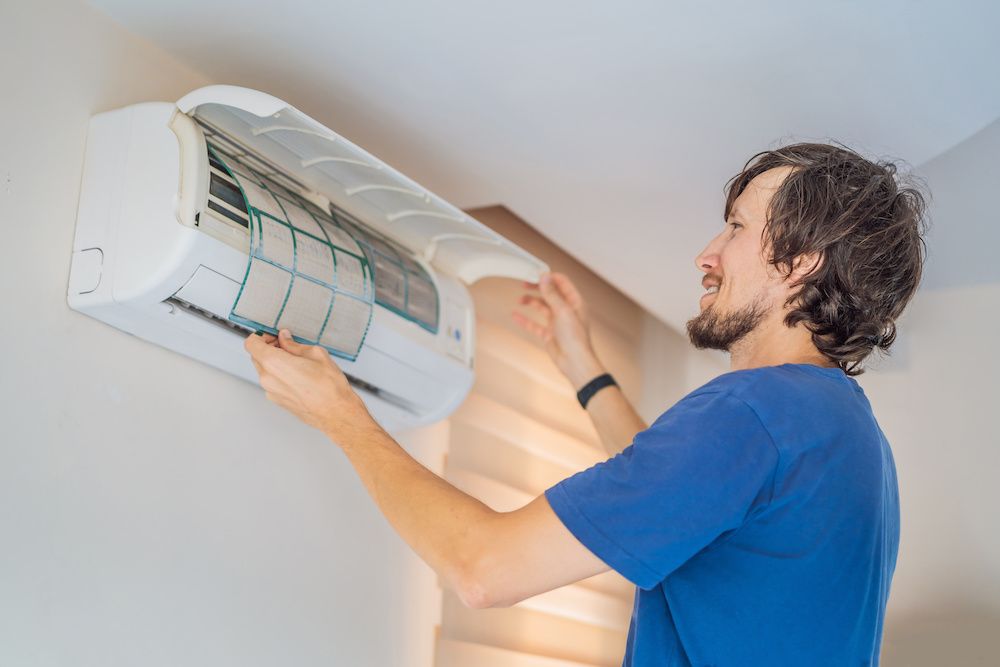
- Ice forming on the indoor coils — this happens because low pressure causes remaining gas to drop below freezing
- Higher electricity bills as the compressor works harder to compensate
- The unit runs constantly without reaching the set temperature
Why You Should Never Ignore Low Refrigerant
Running a system with low gas will kill the compressor. The compressor is the heart of your AC. It is also the most expensive component to replace. A new compressor can cost £1,500 to £3,000 installed.
Compare that to a standard AC gas recharge and leak repair. This typically costs £150 to £350. The maths is simple. Fix the leak now or pay ten times more later.
What Happens During an AC Gas Recharge
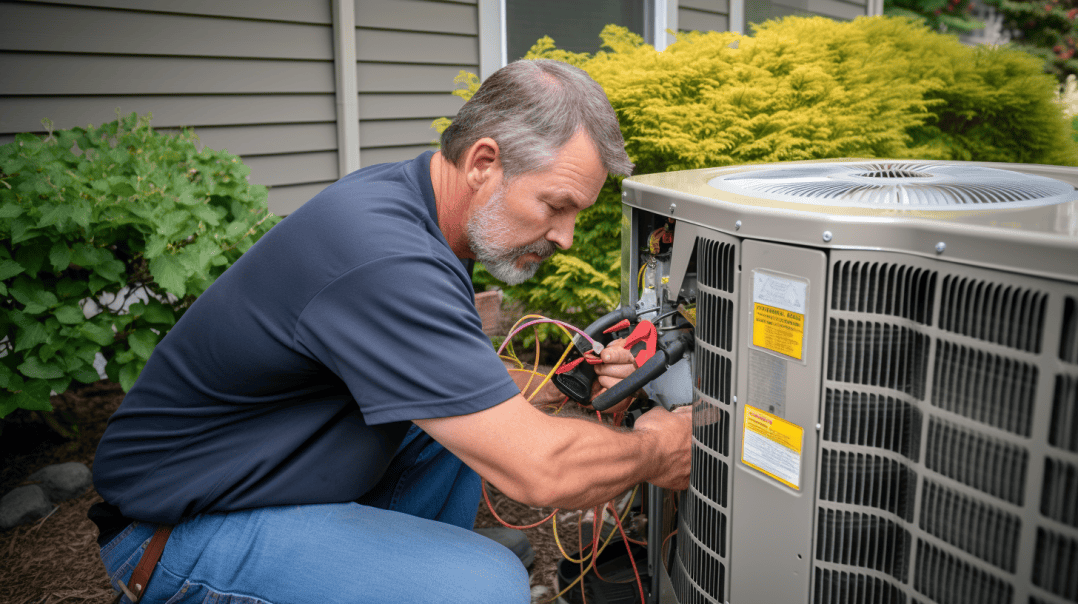
A proper AC gas recharge is not a five-minute job. A qualified engineer follows a strict process:
- Recover any remaining refrigerant safely
- Pressure-test the system with nitrogen to find the leak
- Repair the leak — usually a brazed joint or replaced valve
- Vacuum the system to remove moisture and air
- Recharge with the correct weight of refrigerant
- Test system performance and check pressures
Skipping the leak test is a false economy. If someone just tops up your gas without finding the leak, you will be back in the same position within weeks.
How to Spot Refrigerant Leak Repair Symptoms Early
The earlier you catch the problem, the cheaper the fix. Pay attention to these refrigerant leak repair symptoms:
- Check your electricity bills monthly. A sudden spike often points to a struggling compressor.
- Listen for unusual sounds when the unit starts up.
- Place your hand near the indoor vents. The air should feel cold within two minutes of starting.
- Look at the outdoor unit. Oil stains around pipe joints indicate a slow leak.
When to Book Your AC Gas Recharge
The best time is now — before summer. Engineers get fully booked from June onwards. Prices also tend to rise during peak season.
If you see any of the symptoms above, turn the unit off immediately. Running it with low gas causes more damage with every hour. Booking an AC gas recharge and leak test now will save you thousands in the long run.
Choosing the Right Engineer
Always use an F-Gas certified engineer. This is a legal requirement in the UK. They must be registered to handle refrigerants. Ask to see their certification before any work begins.
A good engineer will always find and fix the leak before recharging. If someone offers a quick top-up without testing, walk away. Your system — and your wallet — will thank you.